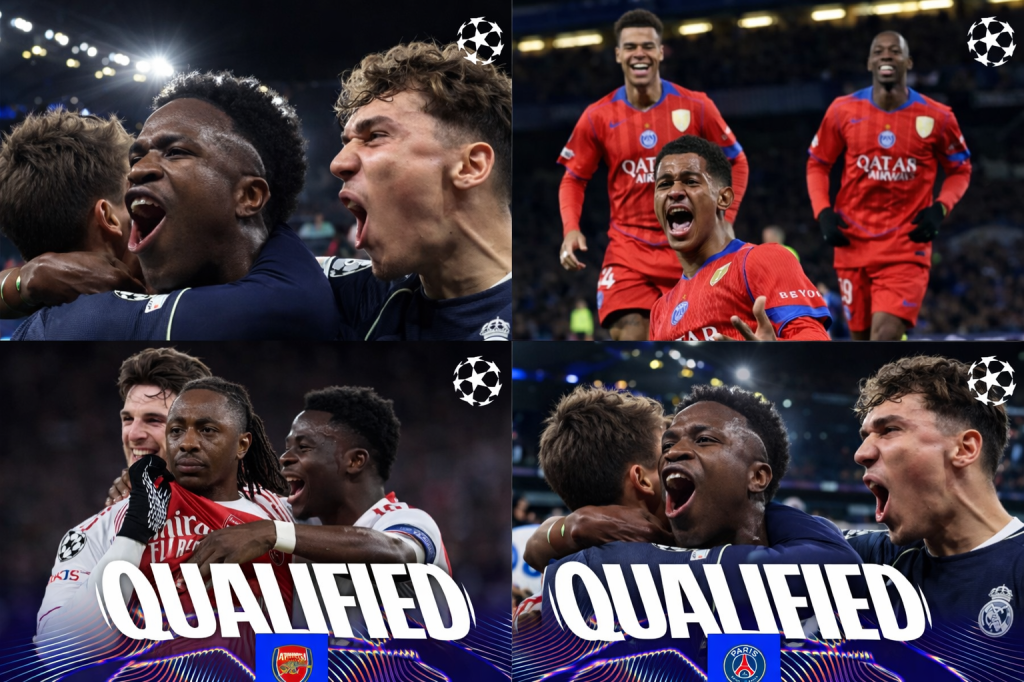
Tonight felt like one of those Champions League nights that gives you everything at once — a huge comeback, a statement win, a collapse, and another reminder that some teams simply know how to survive in Europe better than others. Sporting CP pulled off the headline act, Arsenal kept their season moving in exactly the right direction, PSG embarrassed Chelsea again, and Manchester City once more found Real Madrid too difficult to finish off.
For me, the biggest theme across all four ties was this: the teams that managed the emotional side of the night best were the ones that got through. Tactics mattered, of course, but so did composure, timing, and belief. Sporting believed. Arsenal stayed calm. PSG smelled weakness. Madrid stayed Madrid.
Sporting CP 5–0 Bodø/Glimt aet (Sporting win 5–3 on aggregate)
I have to start here, because for me this was the story of the night.
Sporting came into the second leg three goals down and somehow turned the entire tie around, winning 5–0 after extra time to go through 5–3 on aggregate. Reuters described it as a stunning turnaround, and Flashscore noted it was Sporting’s first time overturning a deficit of three or more goals to progress in a UEFA competition since 1963/64.
What did Sporting get right? First, they played like a team that refused to treat the scoreline as final. Their intensity was high from the beginning, and more importantly, it stayed high. They did not spend the night trying to score three all at once. They kept pushing the game forward until Bodø/Glimt started to lose their footing emotionally and physically. That matters in a second leg. If you are chasing a big deficit, panic kills you. Sporting never looked panicked. That, to me, was the foundation of the comeback.

What did Bodø/Glimt get wrong? For me, they stopped looking like the braver side once Sporting started building momentum. In the first leg they were sharp, aggressive, and clear in their decision-making. Tonight, once pressure arrived, they looked more interested in protecting the lead than hurting Sporting. That is always risky in Europe. If you retreat too early, you invite wave after wave. Sporting kept asking the question, and eventually Bodø/Glimt stopped having the answers. That is my reading of why this tie flipped so dramatically.
Arsenal 2–0 Bayer Leverkusen (Arsenal win 3–1 on aggregate)
This was not as chaotic as the Sporting match, but in some ways it was just as impressive.
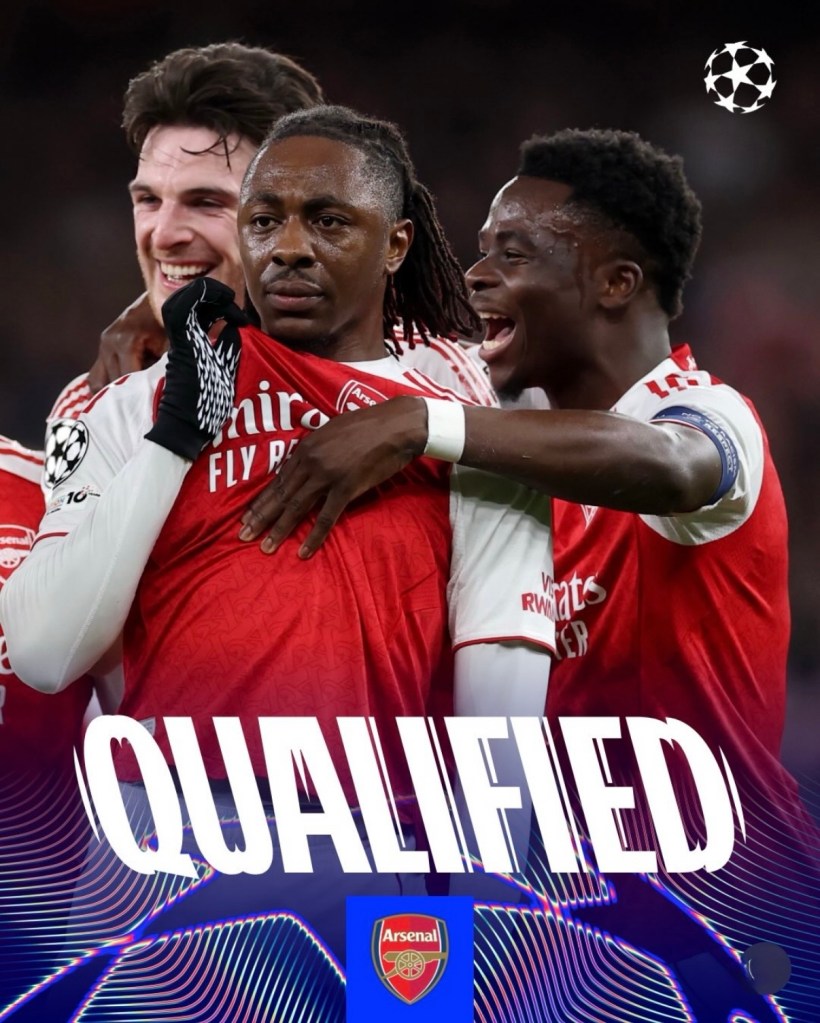
Arsenal finished the job properly. After drawing 1–1 in Germany in the first leg, they beat Leverkusen 2–0 in London to advance 3–1 on aggregate. Reports say Eberechi Eze opened the scoring and Declan Rice made it 2–0 just after the hour, with Arsenal looking comfortable once they gained control.
What impressed me most was Arsenal’s maturity. This is not an Arsenal side trying to entertain for the sake of it. This is a team that increasingly understands how to control a knockout tie. They did not allow Leverkusen’s transitions to become the story. They stayed measured, used the ball well, and never let the game slip into panic. That is a huge sign of growth. Arsenal’s season has been impressive for exactly this reason: they are becoming more complete, not just more talented. Reuters had already pointed to Arsenal banking on home advantage and being wary of Leverkusen’s threat, and tonight it felt like they handled that challenge exactly the right way.
Where did Leverkusen fall short? For me, they never really forced Arsenal out of their comfort zone. In first legs, you can sometimes survive through patience and moments. In second legs away from home, especially against a side this controlled, you need to create pressure in waves. Leverkusen did not do enough of that. Once Arsenal went ahead, the tie felt like it moved too far away from them. And that is what good knockout teams do — they make the opponent feel the door closing.
The bigger point for Arsenal is this: this season keeps giving them reasons to believe. They are top of the Premier League, and now they are into the Champions League quarter-finals. That is not luck. That is structure.
Chelsea 0–3 PSG (PSG win 8–2 on aggregate)
I honestly think this was the most brutal performance of the night.
PSG had already beaten Chelsea 5–2 in the first leg, but instead of simply managing the return game, they went to Stamford Bridge and won again, 3–0, to go through 8–2 on aggregate. Reports say Khvicha Kvaratskhelia struck inside six minutes after a Chelsea defensive error, and PSG never really looked under pressure after that.
For me, Chelsea’s biggest problem was not just that they were outplayed. It was that they still looked emotionally fragile in a tie that required almost perfect football. If you are trying to come back from 5–2, the absolute minimum is concentration. Instead, they handed PSG an early mistake, and the tie was basically dead from there. You cannot give a team like PSG cheap moments, especially not when you already trail by three goals.
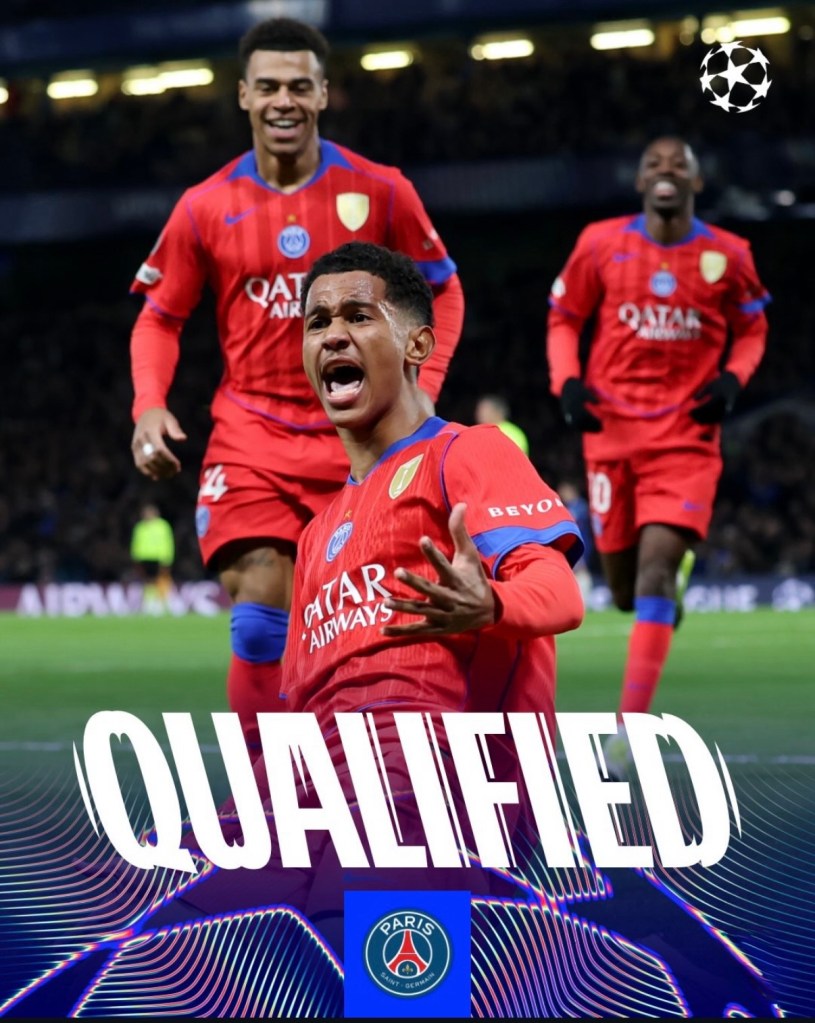
What did PSG get right? Everything felt sharp. They were ruthless, organized, and psychologically stronger. They understood the state of the tie, but instead of sitting too deep and inviting chaos, they kept enough ambition in their game to punish Chelsea’s desperation. That is what elite knockout teams do — they smell when the opponent is unstable and go straight at the weakness. PSG did that, and Chelsea looked unable to deal with it.
Where did Chelsea get it wrong beyond the obvious defensive errors? For me, they never found the emotional tempo of a comeback. A team chasing a huge deficit needs the crowd, the opening goal, the sense of momentum. Chelsea got none of that. They started badly, defended badly, and the game drifted away. That is why this was not just a defeat — it felt like an exposure of where they still fall short at this level.
“Chelsea didn’t just lose — they were shown the gap.”
Manchester City 1–2 Real Madrid (Real Madrid win 5–1 on aggregate)
This is the tie that says the most about mentality.
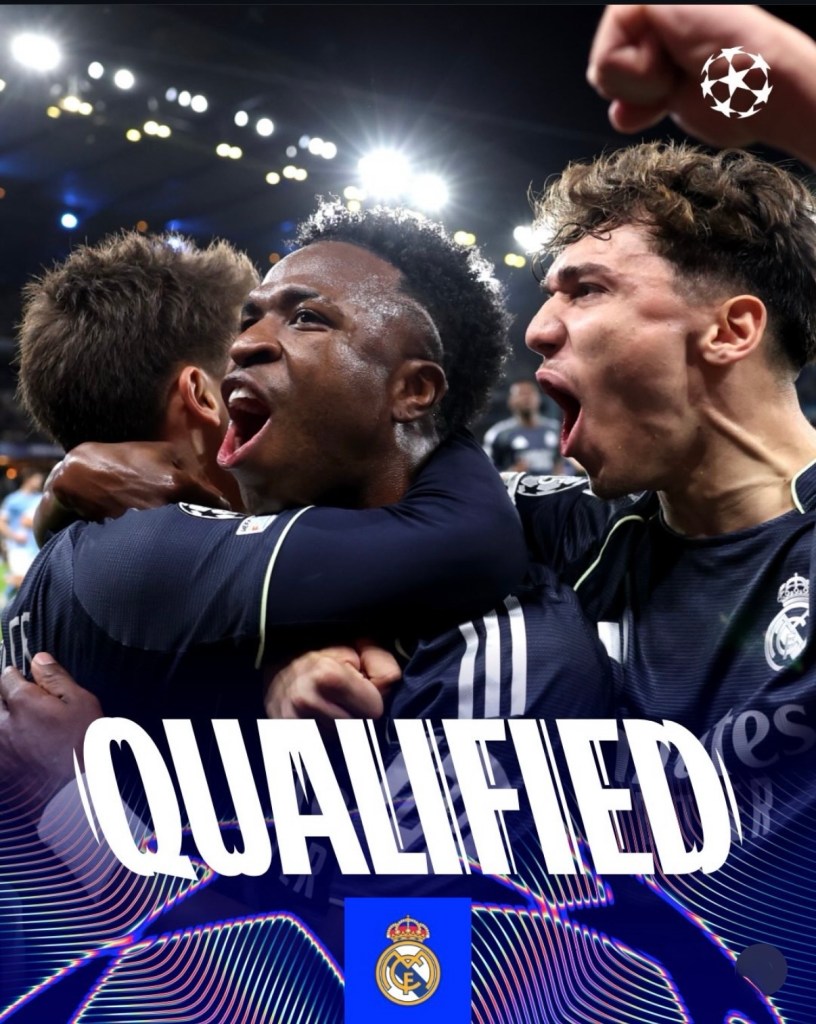
Manchester City came into the second leg needing to overturn a 3–0 loss from Madrid. Instead, they lost again, 2–1 at home, and went out 5–1 on aggregate. Live reporting shows Vinicius Jr scored from the penalty spot in the 22nd minute, Erling Haaland equalized before halftime, and Vinicius scored again in stoppage time to finish it.
For me, City’s biggest problem was that the tie always felt like it demanded a perfect performance, and they never produced one. Even before kickoff, Guardiola had said City needed belief and a near-perfect display to do it. The problem is that against Real Madrid, if your execution drops even slightly, you get punished. That is exactly what happened.
What did Madrid get right? They managed the emotion of the tie brilliantly. They did not need to dominate every phase. They needed to stay calm, wait for City to overreach, and strike when it mattered. That is something Real Madrid have mastered in Europe. They understand that knockout football is not always about owning the match — it is about owning the key moments. The penalty gave them control, and from there they always looked like the side more comfortable with the pressure.
Where did City get it wrong? I think two things stand out. First, they were chasing a huge margin against a side that is lethal in transition, which is already a dangerous balance. Second, once Madrid scored first, City’s task became far more emotional than tactical. They then needed four, not three, and those kinds of nights can quickly turn into frustration. City had belief, but belief without control against Madrid usually is not enough.
This is the uncomfortable truth for City: for all their domestic excellence, Real Madrid remain the team they still cannot fully solve in Europe.
What this night means overall
For me, this was a night that separated teams in very clear ways.
Sporting showed that belief can completely transform a tie. Arsenal showed that serious teams finish the job at home. PSG showed Chelsea the cost of being fragile in both boxes. Real Madrid showed again that Champions League pedigree is not just a cliché — it is a real competitive advantage.
 Matchdaypundit
Leave a comment